Monday, August 31, 2026 Living abroad, handled. Get the free brief →
Seasoned Expat
Living abroad, handled.
Cruise LifePrincess Alaska ships: which one fits your monthstodayCruise LifeWhen Your Ship Can't Make Port: Storm Delays and Your BudgettodayCruise LifeNorwegian's Latitudes Rewards: How Points Stack for LiveaboardstodayCruise LifeNorwegian's Latitudes Rewards: Points Math for LiveaboardstodayCruise LifeWhen Your Ship Can't Make Port: Storm Delays and Your ItinerarytodayCruise LifeWhich Princess ship for Alaska matters less than you thinktodayCruise LifeCarnival's Loyalty Overhaul Starts Sept 1todayCruise LifeThe Real Cost of Living Full-Time on a Cruise ShiptodayCruise LifeWhen a storm delays your ship hometodayCruise Life$100 interior cabins work—until they don'ttodayCruise LifeRoyal Caribbean's $99.75 gratuity chargetodayCruise LifeRoyal Caribbean's wine policy: what you can bringtoday
Cruise Life

Legionnaires' Disease on Ships: What Liveaboards Need to Know

When a cruise line closes hot tubs and runs water testing, it signals a real health risk—and the protocols matter more than the headlines.

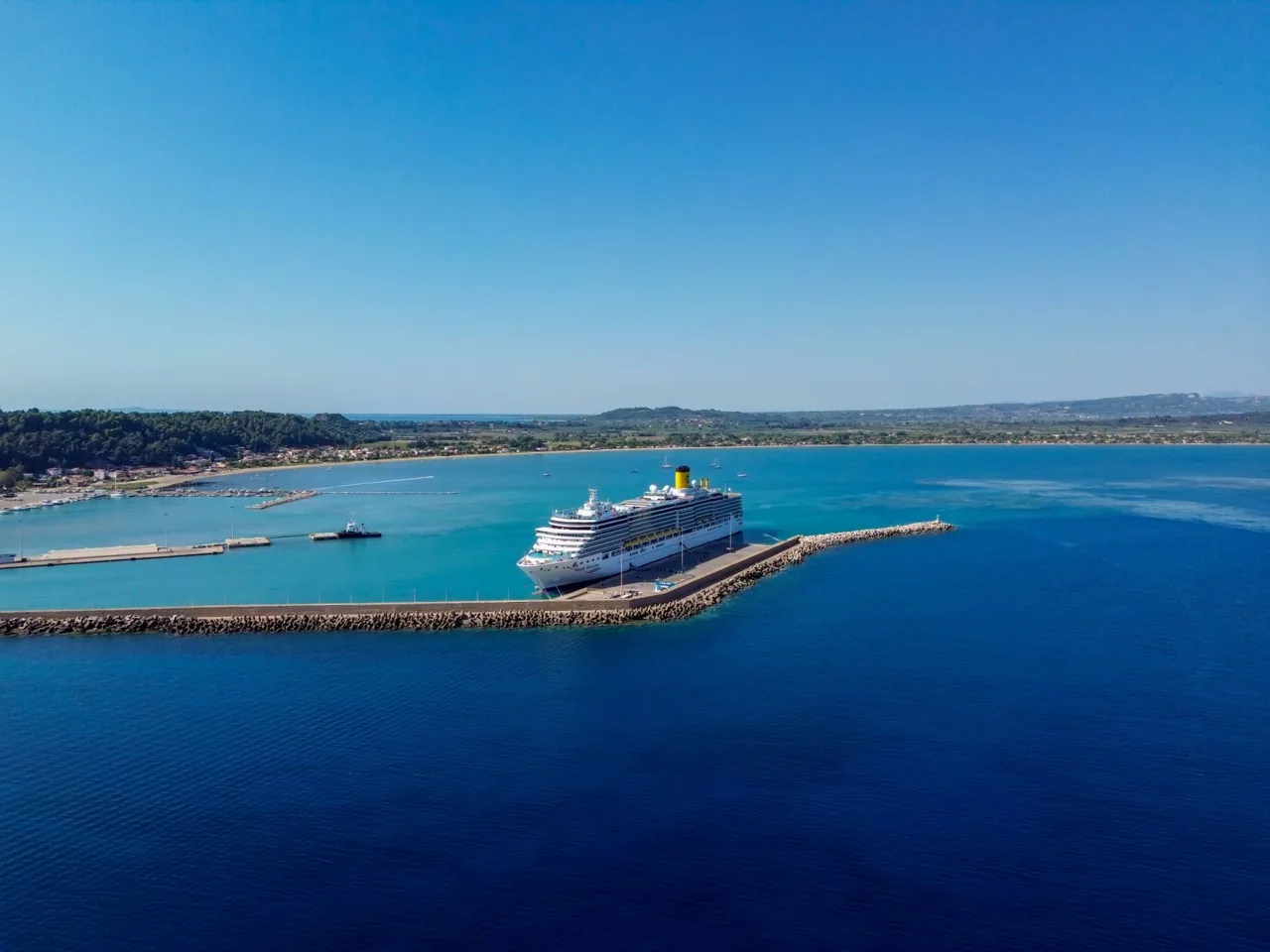
Photo: John Kostopoulos · Pexels

Norwegian Cruise Line recently notified guests aboard Norwegian Prima of three confirmed cases of Legionnaires' disease and initiated hot tub closures and onboard water testing. For someone spending weeks or months aboard a ship, this is not a one-week vacation problem—it's a chronic exposure question that deserves a clear-eyed look at the actual mechanics of how cruise lines handle waterborne illness, what the testing means, and what a liveaboard should actually do.

Legionnaires' disease is caused by Legionella bacteria, which grows in warm water systems—hot tubs, showers, air-conditioning cooling towers, and other heated plumbing. The bacteria becomes dangerous when aerosolized (turned into a mist you breathe) rather than ingested. On a ship, the risk concentrates in hot tubs, whirlpools, and the ship's water distribution system itself. The incubation period is typically 2 to 10 days, though it can stretch to 14 days in some cases. Symptoms include high fever, cough, shortness of breath, muscle aches, and headache—serious enough to require hospitalization, and potentially fatal in immunocompromised or elderly passengers.

Legionella risk is highest in warm, stagnant water—not in the potable water you drink and shower with.

The Norwegian Prima cases represent a real event, not a theoretical risk. When a cruise line identifies confirmed cases, it means passengers or crew have tested positive and the disease has been traced back to the ship's water system. This triggers a specific response: closure of the implicated facilities (in this case, hot tubs), water sampling and testing, and often shock treatment of the affected systems. The testing itself is the cruise line's attempt to verify that Legionella levels have been reduced to safe levels before reopening.

Here's what matters for a liveaboard: cruise lines operate under maritime law and CDC guidance, but the actual enforcement and transparency vary. When a line closes hot tubs and announces testing, it's usually because the problem has already been identified—not because they're being cautious ahead of time. The notification to guests, while required, often comes after the fact. The testing protocols themselves are real: water samples are typically sent to labs for culture testing, which takes days to weeks for results. During that time, the affected systems remain closed.

For someone living aboard for months, the practical question is whether you should be concerned about the broader water system beyond the hot tubs. Cruise ships have multiple water systems: potable water (drinking and showering), ballast water, and recirculated systems for hot tubs and pools. Legionella risk is highest in warm, stagnant water. Potable water systems on modern cruise ships are typically treated with chlorine or other disinfectants and maintained at temperatures that inhibit bacterial growth. The hot tub and pool systems are separate and more prone to problems if not properly maintained.

The Norwegian Prima situation is specific to hot tubs, not the ship's general water supply. This is important: you can safely shower and drink tap water aboard. The risk, if any, is localized to the facilities that were closed. That said, if you're a regular hot tub user and you're considering a long sailing on a ship that has had a recent Legionnaires' case, you have legitimate reasons to be cautious. The testing may clear the system, but it takes time, and the closure itself means you lose access to that amenity for days or weeks.

What a liveaboard should actually do: First, understand that cruise lines are required to report confirmed cases of Legionnaires' disease to the CDC and to notify passengers. If you're booked on a ship with a known case, you'll be notified. Second, if you have respiratory issues, are immunocompromised, or are over 50, you're at higher risk—and you should factor that into your decision to sail or to use hot tubs during the sailing. Third, if you do use hot tubs, watch for symptoms: fever, cough, shortness of breath, muscle aches. If you develop these within two weeks of sailing, tell your doctor you were on a cruise ship and mention Legionnaires' disease specifically. Early diagnosis and treatment with antibiotics (typically fluoroquinolones) is effective.

The broader context: Legionnaires' disease on cruise ships is rare relative to the number of passengers who sail. The CDC tracks cruise ship outbreaks, and they're not common. But they do happen, and they're serious. The Norwegian Prima cases are a reminder that water systems on ships, like water systems anywhere, require constant maintenance and monitoring. For a liveaboard, this is part of the calculus of living on a ship—you're exposed to the same risks as any passenger, but over a longer timeframe.

One more practical point: if you're considering a long sailing and a ship has recently had a Legionnaires' case, ask the cruise line directly about the status of the testing and when facilities will reopen. Don't rely on the initial notification. The line should be able to tell you whether the system has been cleared and when you can expect normal operations to resume. If they're vague or evasive, that's a signal to reconsider or to book on a different ship.

The Norwegian Prima situation is not a reason to avoid cruise living. It is a reason to understand how these problems are detected, reported, and resolved—and to know what questions to ask before you commit to a long sailing on a ship with a recent outbreak.

Source: original report ↗

Frequently asked questions

Can I get Legionnaires' disease from drinking tap water on a cruise ship?

No. Legionella is dangerous when aerosolized (breathed as a mist), not ingested. Potable water systems on cruise ships are chlorinated and maintained at temperatures that inhibit bacterial growth. The risk is specific to warm, recirculated systems like hot tubs and pools.

How long does it take to test a ship's water system for Legionella?

Lab culture testing typically takes days to weeks for results. During that time, affected facilities remain closed. Cruise lines may also perform shock treatment (high-dose disinfection) of the system before reopening, which adds additional time.

What are the symptoms of Legionnaires' disease, and when should I seek help?

Symptoms include high fever, cough, shortness of breath, muscle aches, and headache, typically appearing 2 to 10 days after exposure. If you develop these within two weeks of sailing, see a doctor and mention you were on a cruise ship. Early antibiotic treatment is effective.

Who is at highest risk for severe Legionnaires' disease?

People over 50, smokers, those with chronic lung disease, and immunocompromised individuals face higher risk. If you fall into these categories and a ship has had a recent case, consider avoiding hot tubs or booking on a different vessel.

Should I avoid booking a cruise on a ship that had a Legionnaires' case?

Not necessarily. Ask the cruise line about the testing status and timeline for facility reopening. If the system has been cleared and tested, the risk is minimal. If testing is ongoing or results are pending, you may prefer to wait or book elsewhere.

Free alerts

Free: the visa and tax changes that move your plans.

Get the immigration, residency and tax changes that actually affect living abroad — verified, dated, and explained, in your inbox. Free, and one click to leave.

Free · weekly · unsubscribe anytime. Privacy.

Knowing the rule changed is the easy part.

Seasoned Expat Pro tells you what each visa change, tax rule and residency decision actually means for your move — and the paperwork it changes — in a two-minute read.

Get the edge · $20/mo

Join the readers who move before the rules do. Cancel anytime, one click.

Share

https://cruise.seasonedexpat.com/article/legionnaires-disease-on-ships-what-liveaboards-need-to-know/

Discussion

    Leave a comment

    Comments are reviewed before they appear.
    Seasoned Expat Pro

    By the time it's news, it's too late.

    Seasoned Expat sits where the personal meets the procedural. Warm, been-there guidance on moving, settling, money, and finding your people abroad — right next to matter-of-fact, verified coverage of the visa rules, residency requirements, and regulatory changes that decide whether your plans actually work. Two voices, one job: help you live abroad without nasty surprises.

    Get the free brief Cancel anytime.
    The twice-a-week brief Get the free brief