Monday, August 31, 2026 Living abroad, handled. Get the free brief →
Seasoned Expat
Living abroad, handled.
Cruise LifePrincess Alaska ships: which one fits your monthstodayCruise LifeWhen Your Ship Can't Make Port: Storm Delays and Your BudgettodayCruise LifeNorwegian's Latitudes Rewards: How Points Stack for LiveaboardstodayCruise LifeNorwegian's Latitudes Rewards: Points Math for LiveaboardstodayCruise LifeWhen Your Ship Can't Make Port: Storm Delays and Your ItinerarytodayCruise LifeWhich Princess ship for Alaska matters less than you thinktodayCruise LifeCarnival's Loyalty Overhaul Starts Sept 1todayCruise LifeThe Real Cost of Living Full-Time on a Cruise ShiptodayCruise LifeWhen a storm delays your ship hometodayCruise Life$100 interior cabins work—until they don'ttodayCruise LifeRoyal Caribbean's $99.75 gratuity chargetodayCruise LifeRoyal Caribbean's wine policy: what you can bringtoday
Cruise Life

When Your Ship Can't Make Port: Storm Delays and Your Itinerary

A delayed port day isn't just an inconvenience—it reshapes your budget, your visa timeline, and your next booking window.

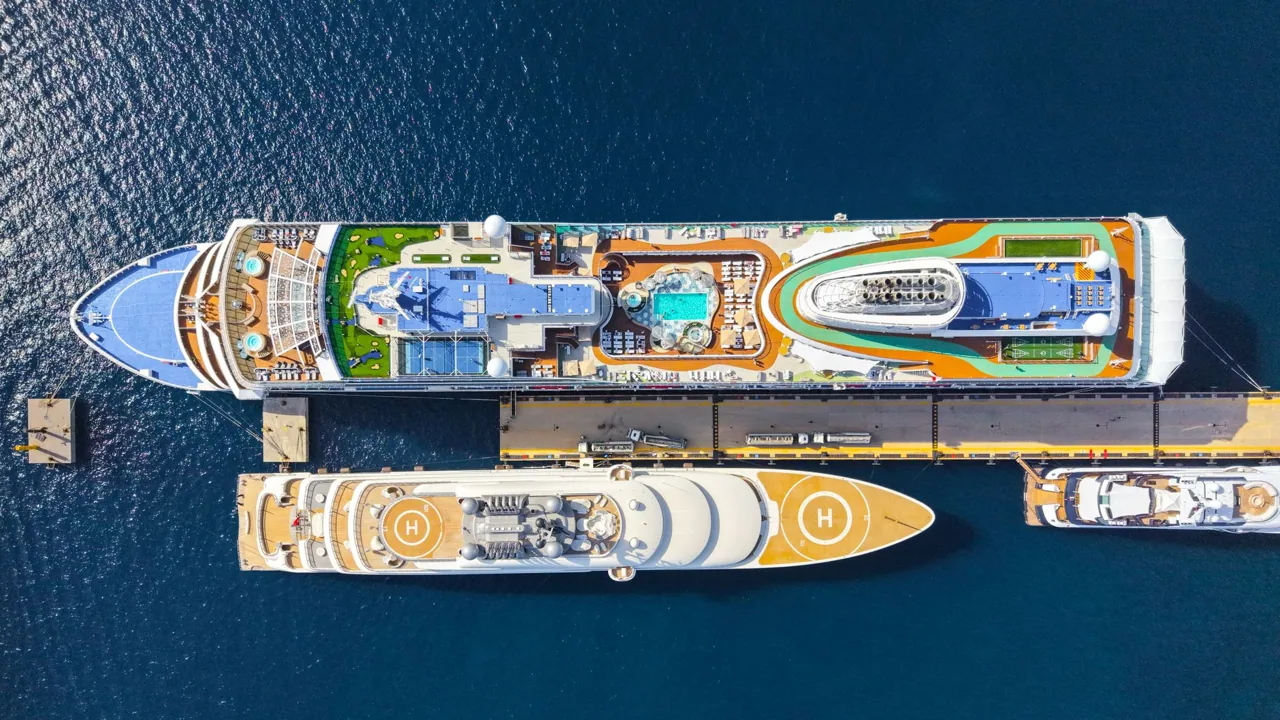
Photo: Muhammed Gündüz · Pexels

You're three days into a seven-day sailing. The captain announces the ship is holding position 40 miles offshore because a storm has closed the port you were supposed to reach tomorrow. The delay is real. The port day is gone. And if you're living aboard for months, not vacationing for a week, this is a problem that compounds.

The first thing to understand: cruise lines have no legal obligation to compensate you for a missed port caused by weather. The fine print on your ticket says so. Royal Caribbean's terms, like most lines', classify weather as an act of God—force majeure. No refund. No onboard credit. No rescheduled excursion. The cruise line absorbed the fuel cost of the detour and the lost port revenue. You absorbed the loss of the day you paid for.

A missed port day isn't just an inconvenience—it reshapes your budget, your visa timeline, and your next booking window.

But that's the surface. Below it, a missed port day when you're a liveaboard creates cascading logistics that a one-week vacationer never faces.

Start with visa timing. If you're sailing through the Mediterranean or Southeast Asia on a long-term itinerary, your visa windows are often calculated to the day. A Schengen visa might give you 90 days in 180. A Thai tourist visa is 60 days from entry. If a storm delays your arrival at a port where you were supposed to clear immigration and reset your clock, you've just compressed your remaining time in that region. You might have to skip a planned port, cut a country short, or scramble to find a consulate in an unplanned location to extend or renew. The cruise line doesn't care. You do.

Then there's the money. If you're on a long cruise—say, a 30-day transatlantic or a 21-day Caribbean repositioning—you've budgeted port expenses day by day. A missed port means you don't spend money there, which sounds good until you realize you've also lost the chance to resupply, get laundry done at a local rate, or visit a specific place you planned around. More importantly, if you're a liveaboard managing a tight monthly budget, a missed port can throw off your cash flow. You might have planned to withdraw euros in Barcelona or restock your cabin supplies in a specific port. Now you're improvising.

The cabin itself becomes a problem. A missed port day means an extra day at sea. The ship is still moving, still burning fuel, still operating. Your cabin doesn't change. But if you're living in a small interior or balcony cabin—the only realistic option for long-term liveaboards on a budget—an extra day of confinement matters. You lose a day of shore time, a day of walking on solid ground, a day away from the recycled air and the crowds. For someone aboard for months, that's not a minor inconvenience.

Here's where it gets concrete: if the delay causes the ship to miss multiple ports or arrive late at the final port, you might miss a connecting flight or a booked hotel. Royal Caribbean and other lines will not pay for those. You booked your onward travel based on the published itinerary. If the itinerary changes due to weather, that's your problem. I've seen liveaboards lose hundreds on rebooking flights because a storm pushed the ship's arrival back 18 hours. The cruise line issued a formal apology and nothing else.

The exception—and it's narrow—is if the delay causes the cruise to be so substantially altered that it becomes a different product. Some lines have offered partial refunds or future cruise credit in extreme cases, but this is rare and usually requires the cruise to miss three or more ports. A single missed port, even a major one, typically doesn't trigger this threshold.

What you can actually do is limited. First, document everything. Take screenshots of the captain's announcement, the revised itinerary, the time stamps. If you're considering a claim later—either with your travel insurance or with the cruise line for a goodwill gesture—you'll need proof of what was promised versus what happened.

Second, check your travel insurance policy immediately. Some policies cover missed port days or itinerary changes, though the bar is high. Most require the cruise to be cancelled or substantially altered, not just delayed. But if you're a liveaboard, you should have annual travel insurance anyway. Read the fine print now, not after the storm.

Third, contact the cruise line's guest services while you're still aboard. Not to demand compensation—that won't work—but to document your situation. If you missed a port because of the delay and that port was critical to your visa timeline or your logistics, tell them. Some lines will offer onboard credit or a future-cruise credit as a goodwill gesture, especially if you're a high-tier loyalty member or if the delay was particularly egregious. This is discretionary and depends on the line, the situation, and the staff member you talk to. But it's worth asking.

For future bookings, this is a reason to favor itineraries with built-in flexibility. A 14-day sailing with 10 sea days and 4 port days is more resilient to a single missed port than a 7-day sailing with 5 port days. The longer the cruise, the more you can absorb a delay. Also, avoid booking tight connections. If you're flying to the ship or flying out from the final port, build in a buffer day. The cruise line won't pay for the buffer, but you will if you don't have one and a storm costs you a flight.

The hardest truth: if you're living aboard, weather delays are part of the deal. They're rare enough that they shouldn't stop you from choosing this life. But they're real enough that you need to plan around them. A liveaboard's itinerary is not a promise. It's a proposal that the ocean gets to edit.

The ship will sail again tomorrow. The port will still be there. But the day you lost is gone, and the cascade of small logistics it triggered will ripple through your month. That's the cost of a storm delay that the cruise line's fine print doesn't mention.

Source: original report ↗

Frequently asked questions

Does travel insurance cover a missed port day due to weather?

Most policies don't cover single missed ports unless the cruise is substantially altered or cancelled. Check your policy's definition of 'itinerary change'—some require three or more missed ports to trigger a claim. Annual travel insurance is worth having as a liveaboard, but read the fine print before you sail.

Can I get a refund or onboard credit if the ship misses a port?

Cruise lines classify weather as force majeure and typically don't refund or credit missed ports. However, some lines offer goodwill gestures—usually onboard credit or future-cruise credit—if you ask guest services and if you're a loyalty member or the delay was extreme. This is discretionary, not guaranteed.

What happens to my visa if a port delay compresses my time in a region?

The cruise line has no obligation to help. If a delay affects your visa window, you'll need to contact the relevant consulate or immigration authority yourself. This is why liveaboards should build buffer days into visa-sensitive itineraries and avoid booking cruises that cut visa timelines too close.

How do I document a missed port for a potential claim?

Screenshot the captain's announcement, the revised itinerary, and time stamps. Save your cruise documents and any communication with guest services. If you're considering a travel insurance claim, submit documentation within the policy's deadline—usually 30 to 90 days after the cruise ends.

Should I avoid booking cruises during hurricane or storm season?

Weather delays happen year-round, but they're more common during hurricane season (Atlantic, June–November) and monsoon seasons in Asia. If you're a liveaboard with tight visa or logistics windows, consider off-season itineraries. The trade-off is fewer sailings and higher prices, but more predictable schedules.

Free alerts

Free: the visa and tax changes that move your plans.

Get the immigration, residency and tax changes that actually affect living abroad — verified, dated, and explained, in your inbox. Free, and one click to leave.

Free · weekly · unsubscribe anytime. Privacy.

Knowing the rule changed is the easy part.

Seasoned Expat Pro tells you what each visa change, tax rule and residency decision actually means for your move — and the paperwork it changes — in a two-minute read.

Get the edge · $20/mo

Join the readers who move before the rules do. Cancel anytime, one click.

Share

https://cruise.seasonedexpat.com/article/when-your-ship-can-t-make-port-storm-delays-and-your-itinerary/

Discussion

    Leave a comment

    Comments are reviewed before they appear.
    Seasoned Expat Pro

    By the time it's news, it's too late.

    Seasoned Expat sits where the personal meets the procedural. Warm, been-there guidance on moving, settling, money, and finding your people abroad — right next to matter-of-fact, verified coverage of the visa rules, residency requirements, and regulatory changes that decide whether your plans actually work. Two voices, one job: help you live abroad without nasty surprises.

    Get the free brief Cancel anytime.
    The twice-a-week brief Get the free brief