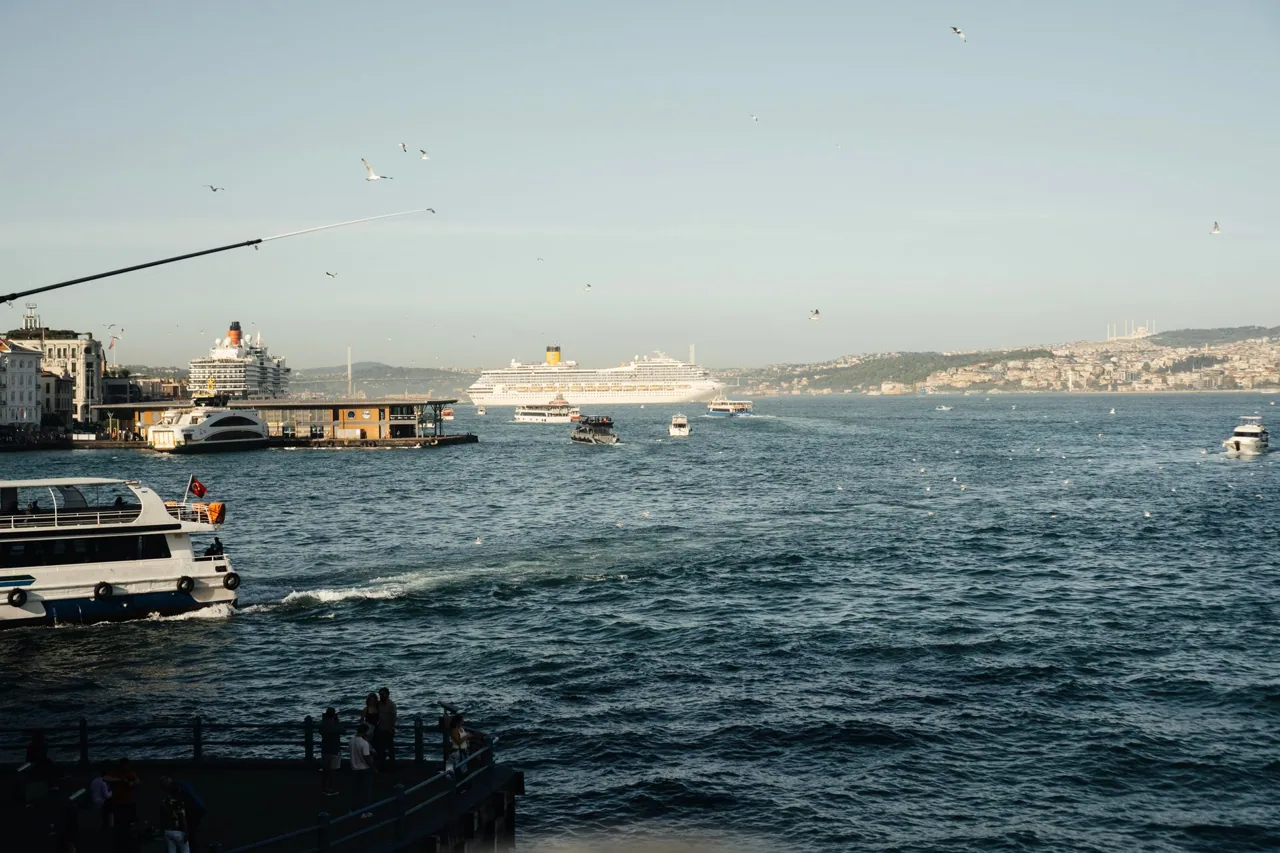
Here's how it works. A cruise ship operates on a tight schedule. A seven-day sailing departs Monday, returns Sunday. The crew works through the night. By Monday morning, the ship is restocked, cleaned, refueled, and ready for the next group. That turnaround window is typically 12 to 18 hours, sometimes less. It's not generous. If the ship arrives six hours late because of a storm, the turnaround shrinks to six or eight hours. The crew can still do it—they've done it before—but there's no buffer. Any additional delay, any mechanical hiccup, any port congestion, and the math breaks.
When a ship can't make the next departure window, a cruise line has a few choices. It can sail the next itinerary on a compressed schedule, cutting a port day or two. It can delay the next sailing by a day, pushing all the passengers back. Or it can cancel the sailing outright and rebook passengers on later departures.
Cancellation is the nuclear option, but it happens more often than most passengers realize. The line eats the cost of the lost revenue, but it avoids the operational chaos of a compressed turnaround or a shortened itinerary that would trigger refund requests and complaints. For a liveaboard or someone who booked months in advance expecting a specific sailing, a cancellation is a disaster. You lose your cabin, your dates, your plans.
The Royal Caribbean case in August 2026 is instructive because it shows the domino effect. One ship delayed. One sailing cancelled. Hundreds of passengers affected. The cruise line issued refunds or rebooking options, but rebooking on a later sailing means a different cabin, a different price point, a different set of dates. If you're a liveaboard who had planned to be at sea during that week, you're now scrambling to find another ship, another line, another sailing that fits your calendar and your budget.
This is why liveaboards and long-sailing passengers need to think differently about booking than vacation cruisers do. A vacation cruiser books a specific week and a specific ship. If that sailing gets cancelled, they rebook on a later week. The vacation still happens, just shifted by a few days or weeks. For someone living aboard, a cancelled sailing is a gap in your home. You're not at sea. You're not moving. You're stuck in a port or back on land, paying for a hotel, paying for flights, paying for logistics that weren't in your budget.
The operational pressure on cruise lines has intensified in recent years. Ships are larger. Itineraries are tighter. Turnarounds are shorter. Weather is more volatile. A storm that would have caused a minor delay ten years ago now threatens to cascade into a full cancellation because there's no slack in the system.
For someone considering a liveaboard life, this is a real cost to factor in. Cancellations happen. Weather happens. Mechanical issues happen. If you're planning to spend six months at sea on a series of back-to-back sailings, you need to build in flexibility. Book with a cruise line that has a strong track record of on-time performance. Avoid lines that operate on razor-thin turnarounds. If you're booking multiple sailings in sequence, leave a day or two between them as a buffer. If a sailing gets cancelled, you have time to rebook rather than scrambling for a last-minute cabin.
The other lesson is about communication. When a ship is delayed, the cruise line should notify passengers of the next sailing as soon as possible. Royal Caribbean did this—the cancellation was announced before passengers had to show up at the terminal. But not all lines are that transparent. Some lines delay the announcement, hoping to avoid a flood of refund requests. If you're booked on a sailing that follows a ship's arrival port, monitor the news. Check the cruise line's website. Call your travel agent. Don't assume your sailing is safe until you see confirmation that the previous ship has arrived and is being turned around on schedule.
For liveaboards, the real protection is diversification. Don't bet your entire year on one ship or one line. Mix your sailings across different vessels and cruise lines. If one sailing gets cancelled, you have other options already booked. It adds complexity to the logistics, but it's the cost of living at sea full-time.
The storm that delayed Royal Caribbean's ship in August 2026 was a reminder that the ocean doesn't care about a cruise line's schedule. Weather wins. Mechanical issues win. The best you can do is book smart, stay flexible, and understand that a cancelled sailing isn't a failure of the cruise line—it's the reality of operating ships at sea.